craft-itarianism (craft-uh-TAIR-ee-uh-niz-um)
noun
: the use of craft to add joy, distribute resources, and foster a sense of community in the everyday lives of specific at-risk or marginalized people
Example:
“Using craft as a way to help humans is craft-itarianism.”
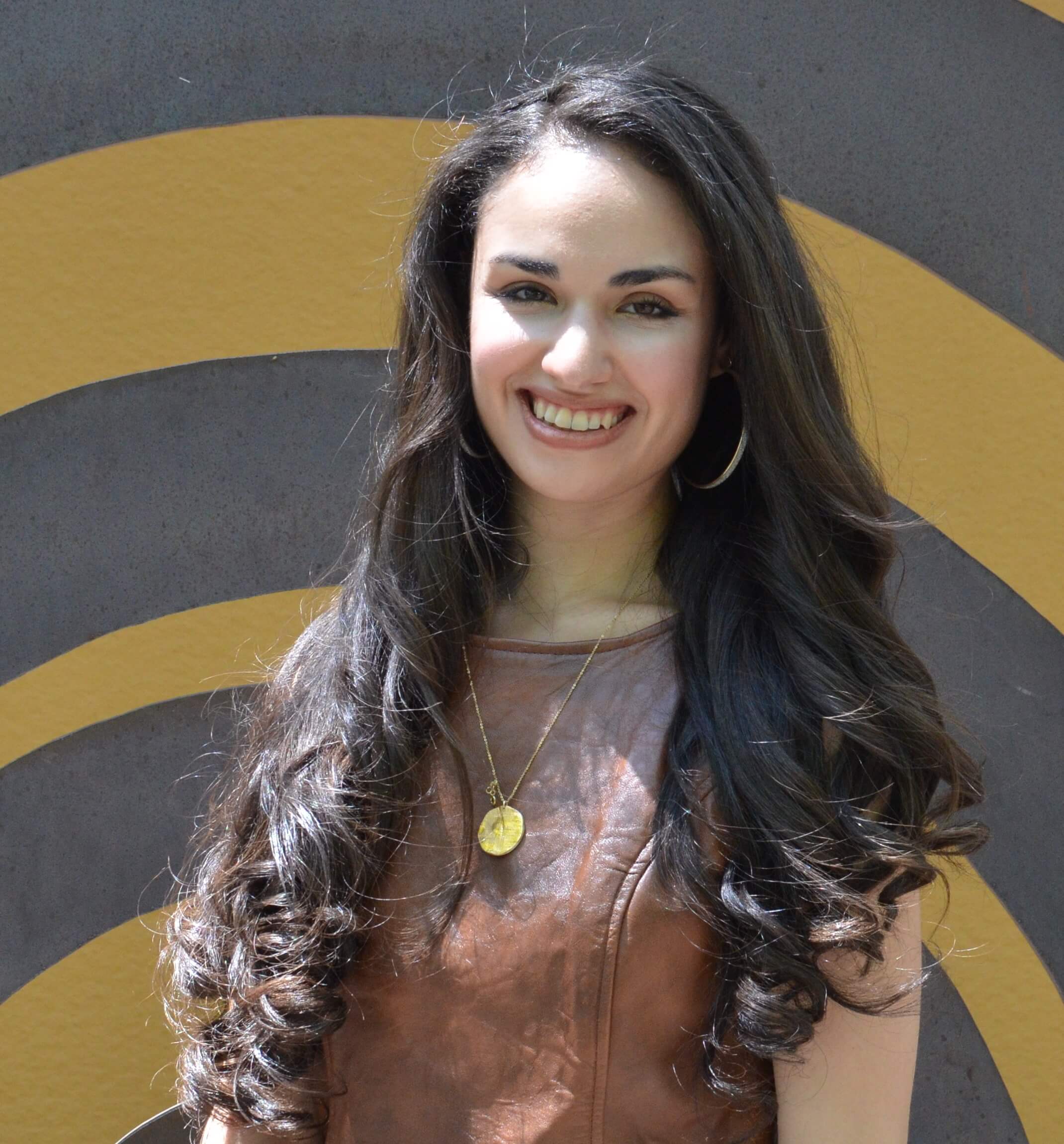
The word craft-itarianism was coined by 2026 Center for Craft Curatorial Fellow Alyssa Velazquez to name artistic projects that generate employment, raise awareness, or offer therapeutic support through craft. These programs provide a space where people affected by addiction, incarceration, and gun violence can find solidarity while learning a skill.
Craft-itarianism: Community Action Through Craft celebrates nonprofits and artists who believe in—and actively practice—the power of craft to support and empower individuals and communities.
This exhibition was curated by 2026 Center for Craft Curatorial Fellow Alyssa Velazquez. Launched in 2017, the Curatorial Fellowship supports emerging curators exploring new ideas about craft with mentorship, professional development, and a $5,000 honorarium to realize an exhibition.
MEET THE ORGANIZATIONS & ARTISTS
AMBOS Project
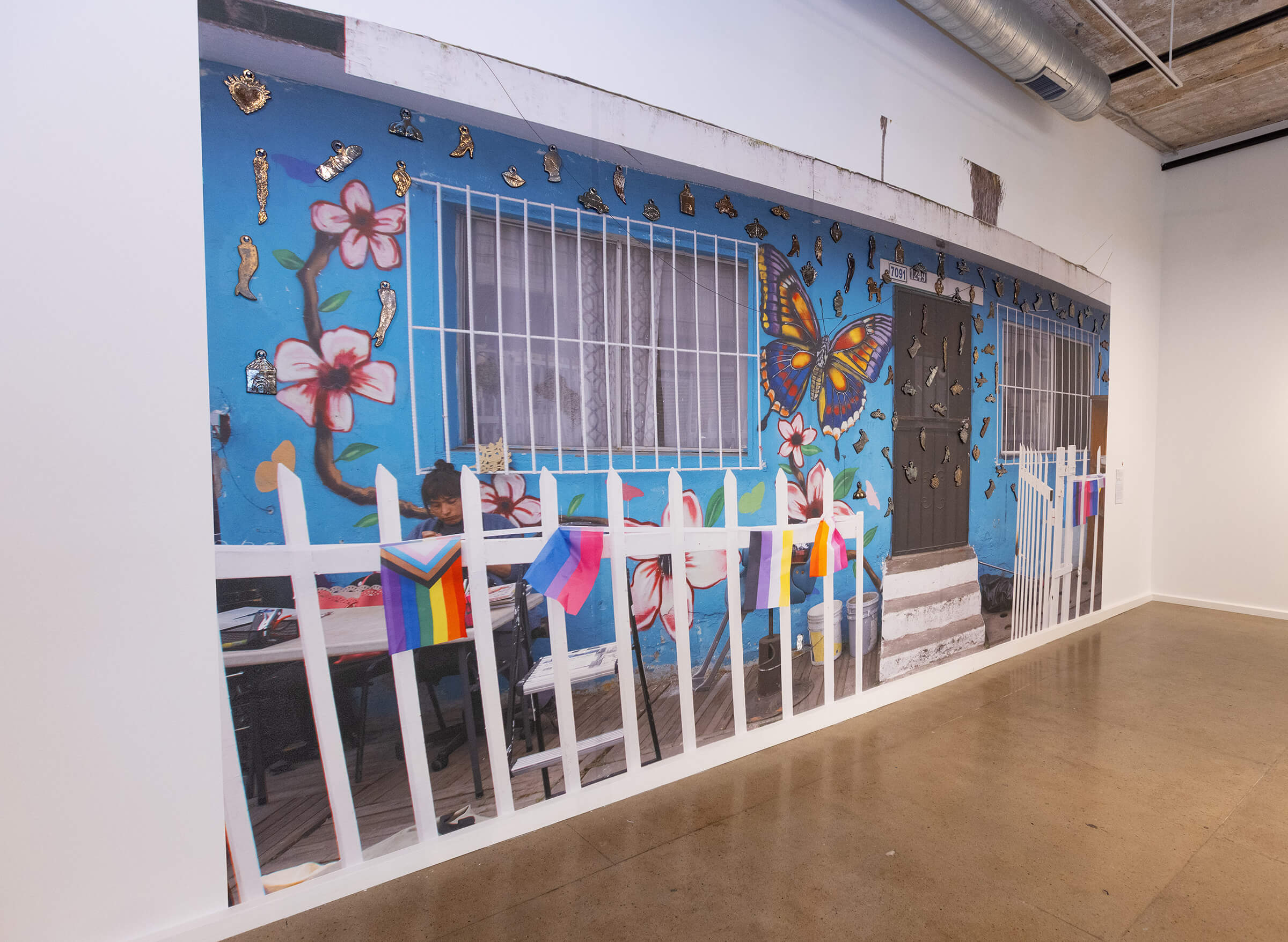
AMBOS (Art Made Between Opposite Sides) is a femme-led binational artist collaborative working along the US–Mexico border to build migrant support systems. Founded by craft-based artist Tanya Aguiñiga in 2016, the project has grown to include a trauma-informed ceramics program with LGBTQIA+ asylum and refugee shelters in Tijuana. The project aims to raise awareness around anti-immigrant rhetoric and the effects of inhumane policies on people’s lives.
Visit Instagram
Black Craftspeople Digital Archive
Founded in 2019 by Dr. Tiffany Momon, public historian and Assistant Professor of History at Sewanee: The University of the South, the Black Craftspeople Digital Archive (BCDA) is a digital resource that highlights contemporary craft scholarship by historians, academics, and scholars who illustrate the perceptions of Black craftspeople and their trades in the past.
Visit Instagram
Center for Creative Works
Since 2010, the Center for Creative Works (CCW) has been a professional arts program serving adults with intellectual disabilities. CCW has studios with day-service programs in Wynnewood, Pennsylvania, and Philadelphia that provide materials, equipment, and open spaces for neurodiverse artists to explore their craft—a place to call an artistic home.
Visit Instagram
Firebird Community Arts
Located in Chicago’s East Garfield Park, Firebird Community Arts is a nonprofit glass studio and community arts center founded by Artistic Director Pearl Dick for youth to be physically creative in a supportive community space. ProjectFIRE is Firebird’s flagship glassblowing venture. Beginning in 2015, with the partnership of Dr. Brad Stolbach, a clinical psychologist specializing in adolescent trauma, Dick created a program that combines healing and glass art training with national and international artists.
Visit Instagram
People’s Pottery Project
The People’s Pottery Project’s (PPP) established its mission in 2019 to employ and empower formerly incarcerated women and trans and nonbinary individuals through paid job training, access to a healing community, and meaningful employment in a collective nonprofit business. One of the first steps in joining this artistic community is learning the ins and outs of ceramic fabrication—both wheel throwing and hand building. Through their studio, PPP connects participants to others to share their stories and ultimately transform dominant narratives about those who have experienced incarceration.
Visit Instagram
Maggie Thompson (Fond du Lac Ojibwe)
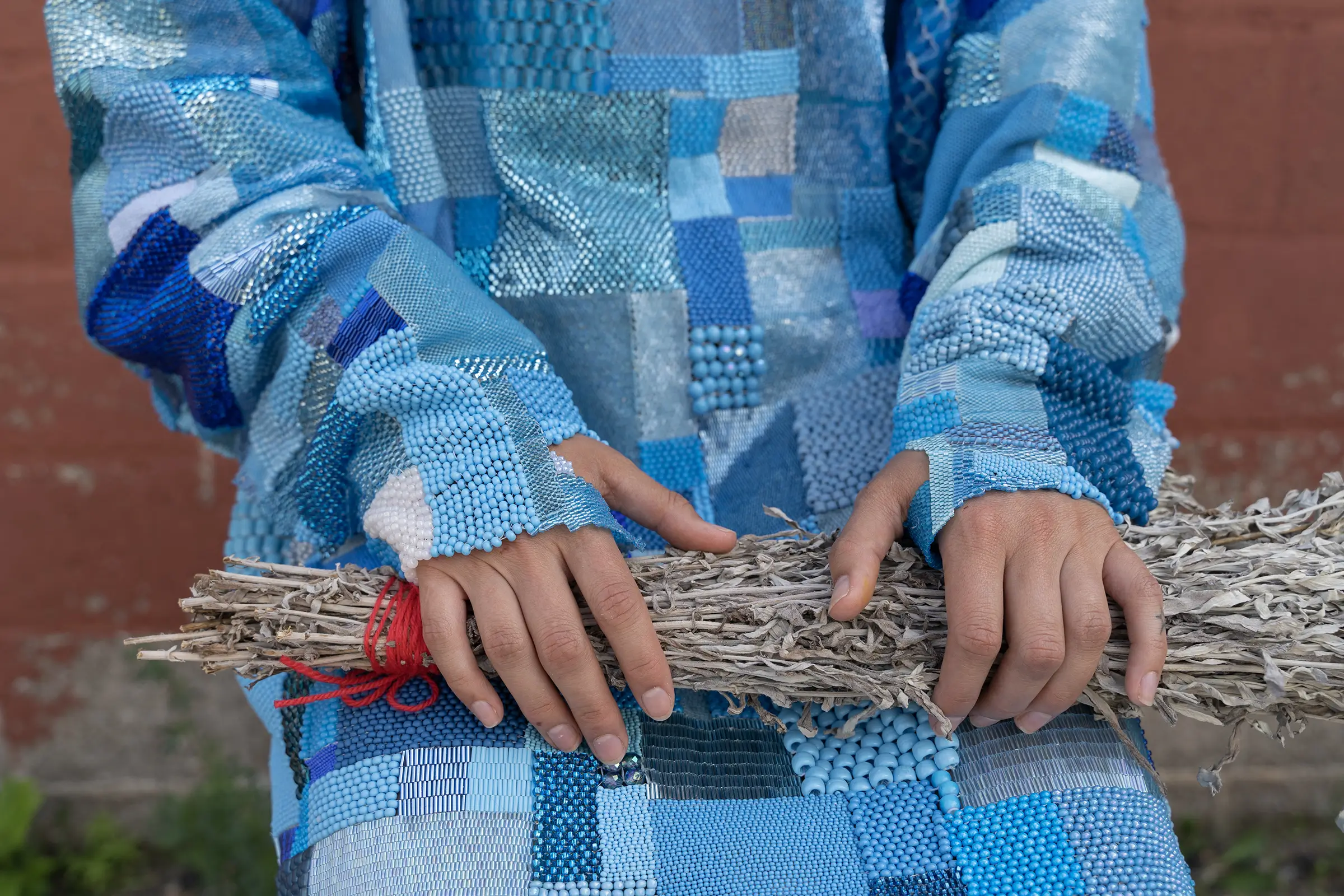
Maggie Thompson (Fond du Lac Ojibwe; born Minneapolis, 1989; resides St. Paul, Minnesota) is a multimedia artist who incorporates textile techniques, including beadwork, into large-scale and fine art wearables inspired by her Ojibwe heritage and contemporary Native American experiences. Her most recent visual projects transform familiar garments into participatory works with community members.
Visit Instagram
SPECIAL THANKS
The Center for Craft Curatorial Fellowship is supported, in part, by the Stoney Lamar Craft Endowment Fund. This exhibition was funded, in part, by the Andy Warhol Foundation for the Visual Arts.
Center for Craft receives funding from the North Carolina Arts Council, a division of the Department of Natural & Cultural Resources, www.NCArts.org. Support also comes from the Thomas S. Kenan Institute for the Arts.